
INTEGRITY FEES TO CURB INFLATION
Traveling to the United States will now be substantially more expensive, as the country has introduced two new visa fees, which could be enforced soon.
PolicyFees+1 topics
Read article LEGAL INSIGHTS
Articles from our team on immigration, visa processes, and related legal topics.
Matches any selected topic.
13 articles
Traveling to the United States will now be substantially more expensive, as the country has introduced two new visa fees, which could be enforced soon.
Awaiting a decision from the USCIS for a case can be a nerve-wracking situation.
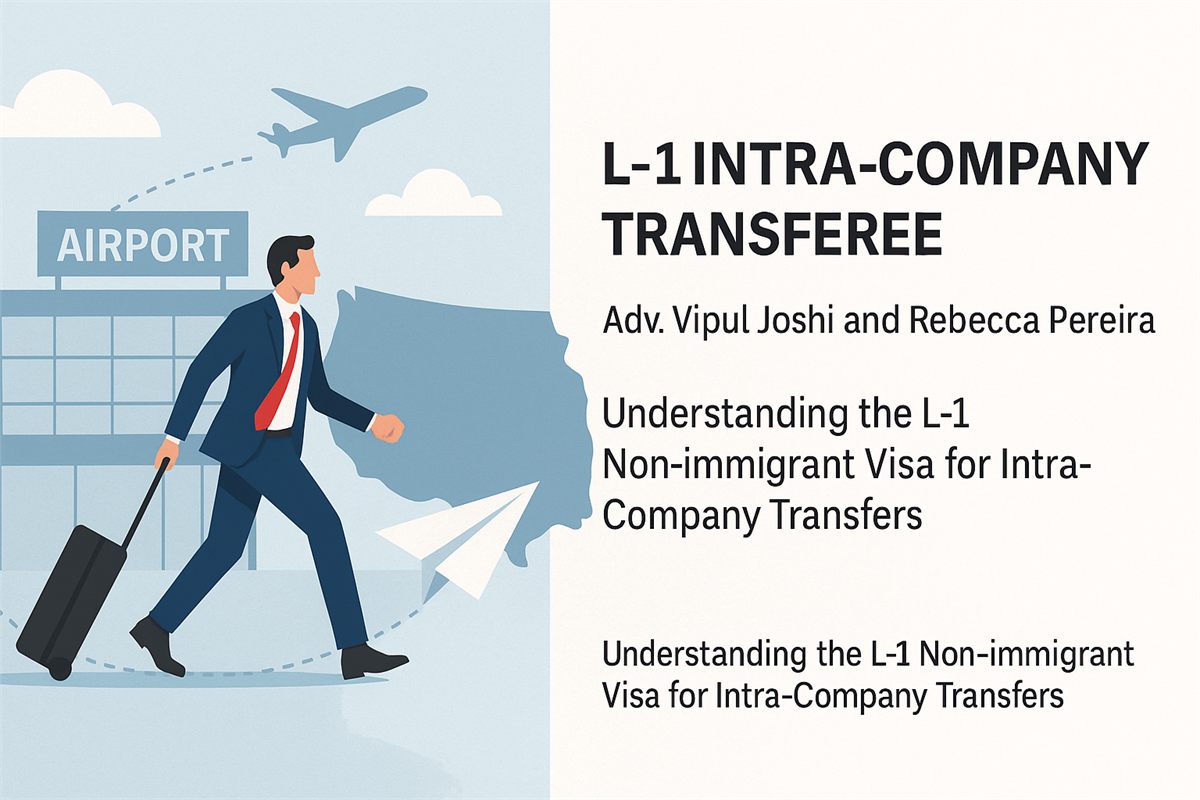
The L-1 visa is a non-immigrant classification that permits U.S. employers to transfer an executive or manager from one of their affiliated foreign offices to a location within the United States.
The jury system is a cornerstone of the American justice system, representing a fundamental principle of democracy: the right of individuals to be judged by a group of their peers...
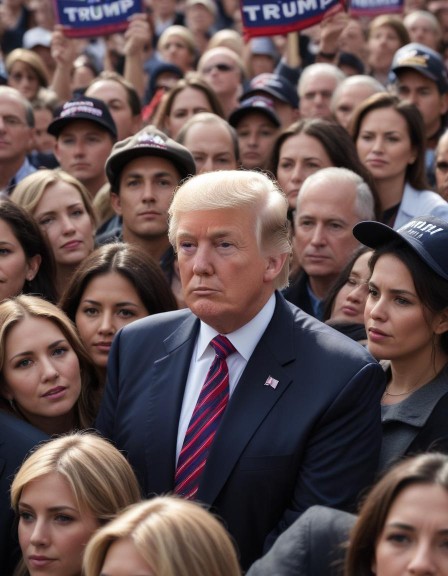
As Donald Trump campaigns for a second term in the 2024 U.S. presidential election, immigrants are closely watching his promises to reshape immigration policy...
The EB-5 Immigrant Investor Program allows eligible foreign investors to seek U.S. permanent residence by making a qualifying investment in a new commercial enterprise and creating at least 10 full-time jobs for qualifying U.S. workers. The program was created by Congress in 1990 to encourage investment and job creation in the United States.
The H-1B visa allows U.S. employers to hire foreign workers for jobs that require specialized knowledge, such as positions in technology, engineering, science, finance, healthcare, and other professional fields. The employer must sponsor the worker, and the position must meet the requirements for a specialty occupation.
The Indian Employment Visa (E Visa) is the principal long-term visa category issued to foreign nationals who intend to undertake paid employment in India. It enables highly qualified professionals, technical experts, executives, consultants, teachers, and other skilled individuals to lawfully work for an Indian company, organization, educational institution, multinational corporation, or eligible non-governmental organization.
The L-1 visa allows qualifying multinational companies to transfer certain employees from a foreign office to a related U.S. office. It is commonly used for executives, managers, and employees with specialized knowledge.
Global mobility has become an increasingly important component of economic development, innovation, and international cooperation. As governments seek to attract highly skilled professionals, entrepreneurs, and students, immigration systems around the world are evolving to remain competitive in a global talent market. Countries such as the United States and Canada continue to play a central role in this landscape, offering a range of immigration pathways that enable foreign nationals to study, work, invest, and ultimately obtain permanent residence.
“My passport proves I’m Indian, right?” That is the question clients ask me more often than any other. For decades, the correct answer was awkward: The passport is strong evidence of identity and nationality for travel, but not a legal certificate of citizenship. After the Ministry of External Affairs’ recent clarification at Passport Seva Divas, the government has stated plainly what immigration law long implied: an Indian passport is a travel document, not a citizenship certificate. The confusion this causes is understandable, but the law was never ambiguous, and the consequences are urgent.
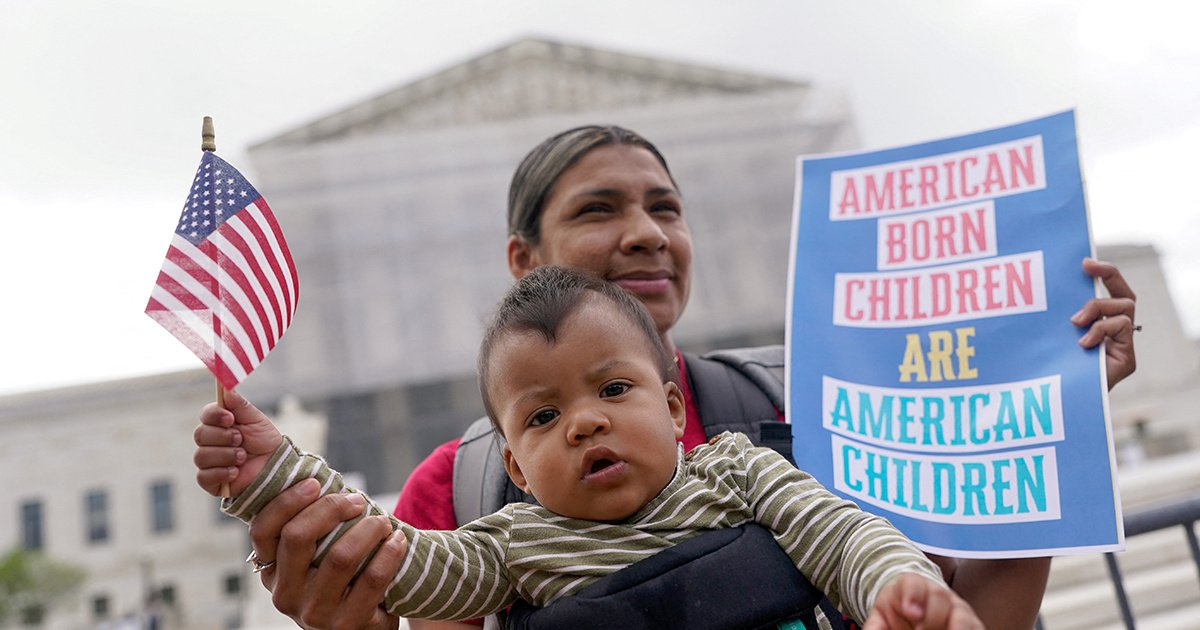
Within hours of his inauguration, President Donald Trump signed an executive order that would withhold U.S. citizenship from the children of some immigrants born in the United States, calling the order a “big one.” The executive order would end a right that the U.S. Constitution has guaranteed for more than 150 years. Trump’s executive order states that children born to parents in the United States illegally or on temporary visas would not automatically receive citizenship – a significant reinterpretation of the 14th Amendment to the Constitution.
One of the most frequent concerns shared by applicants worldwide is the significant timeline required to secure a U.S. visa interview appointment. Whether travel is intended for corporate consultation, tourism, education, or family reunification, extended wait times have become a persistent global challenge.
Article updates
Subscribe to receive new articles and updates from our team.
Checking subscription availability…