What to Expect for Immigrants and Non-immigrants Under a Trump Administration
~ VIPUL JOSHI & RIDA FATEMA MOLEDINA(Intern)
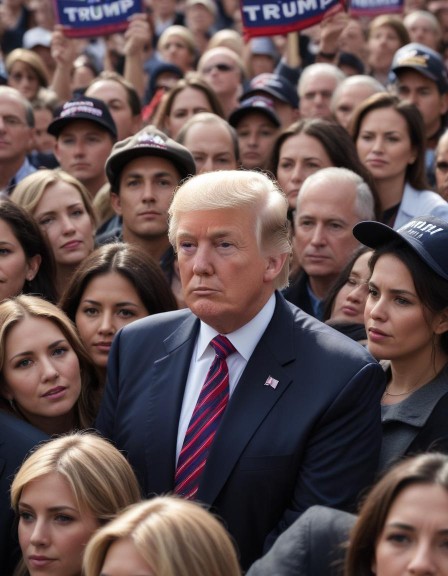
As Donald Trump campaigns for a second term in the 2024 U.S. presidential election, immigrants, both documented and undocumented, are closely watching his promises to reshape immigration policy.
Should Trump return to office, several key policy changes affecting immigrant communities ranging from the elimination of Deferred Action for Childhood Arrivals (DACA) to potential restrictions on humanitarian protections could have profound implications for millions of people in the U.S.
This article explores the expected policy shifts that could significantly affect immigrants and the broader social landscape.
1. H-1B/H-4 Visa Changes: Will it affect Indian professionals?
Trump’s win could mean stricter H-1B regulations, as he has previously pushed to prioritise American workers. A stricter policy could increase competition, impacting Indian tech professionals who depend on H-1B renewals and applications.
Trump's emphasis on merit-based immigration could benefit skilled Indian workers but warned of potential new restrictions on entry requirements.
Another potential area of change is the H-1B ballot system. Trump has previously advocated for replacing the lottery system with a merit-based selection process, which would favour candidates with advanced skills and higher wages.
H-4 EAD program was introduced in 2015 under the Obama administration. It allowed spouses of certain H-1B visa holders to apply for work authorization in the U.S. The goal was to provide greater economic opportunities for the families of highly skilled foreign workers, especially in the STEM fields.
One of the central goals of President Trump's "America First" immigration policies was to restrict immigration and prioritize U.S. workers. In 2017, the Trump administration took steps to rescind the H-4 EAD rule, claiming that the program created competition for U.S. workers and harmed American jobs. The proposed termination of the program was part of a broader push to limit visa-related benefits for foreign nationals. H-4 EAD maybe a thing of past.
2. Student Visas and Green Card Pathways
The Trump administration may impose tighter controls on student visas, particularly the F-1 visa, as well as restrictions on the Optional Practical Training (OPT) program, which allows international students to work in the U.S. after graduation. Although tighter visa controls may create challenges, there is potential for policies that could facilitate Green Card pathways for skilled foreign graduates, offering opportunities for high-achieving students from countries like India.
3. Birthright Citizenship:
Trump has consistently expressed his intention to end birthright citizenship for children born in the U.S. to non-citizen parents, despite the constitutional protections provided by the 14th Amendment. If enacted, this policy could significantly impact immigrant families, leaving U.S.-born children without citizenship and complicating access to essential services such as healthcare, education, and social security.
4.Public Charge Rule Adjustments:
One of the most significant shifts under a Trump administration could be the reinstatement of the 2019 public charge rule. This policy expanded the criteria to assess whether immigrants are likely to become dependent on government assistance programs like Medicaid, food assistance, and housing benefits, potentially making it more difficult for immigrants to obtain permanent residency. Immigrant families could be deterred from seeking essential services due to concerns that it may jeopardize their immigration status.
5.Restrictions on Humanitarian Protections:
Trump’s administration is likely to impose stricter limitations on humanitarian protections, including refugee admissions and asylum policies. Further reductions in refugee quotas and a more stringent approach to Temporary Protected Status (TPS) could leave many individuals from countries experiencing conflict or natural disasters vulnerable to deportation.
6.Potential Elimination of DACA program:
The Deferred Action for Childhood Arrivals (DACA) program, which protects undocumented immigrants who arrived in the U.S. as children, remains at risk under a Trump administration. Although the U.S. Supreme Court blocked Trump’s efforts to end the program during his first term, a second term could see renewed attempts to dismantle DACA, leaving over half a million recipients at risk of deportation and losing their work authorization.
Conclusion:
These anticipated policy changes are part of Trump’s broader agenda to reshape immigration in the U.S. His hardline stance on immigration could exacerbate the existing challenges faced by immigrant communities, including increased deportations, restricted access to public services, and heightened social tensions. For non-immigrants, particularly those in industries reliant on immigrant labour, such policies could exacerbate worker shortages and disrupt key sectors of the economy, including healthcare and agriculture. A second term under Donald Trump would likely see significant shifts in U.S. immigration policy, with deep implications for immigrant families and the broader economy. Whether it’s the potential elimination of DACA, changes to public charge policies, or tighter restrictions on humanitarian protections, immigrants in the U.S. are likely to face greater uncertainty and fear. While these policy changes would benefit some segments of the population, they could also lead to increased hardship for vulnerable communities, further fuelling debates about immigration in America.